After a collision, most drivers see the obvious damage first. A crushed bumper, bent fender, broken headlight, or door that no longer lines up gets your attention right away. What you can’t see is whether brackets shifted behind the bumper, a suspension mounting point moved, or a sensor was knocked out of position.
That’s why collision repair involves more than replacing the damaged panel and matching the paint. A proper repair moves through several stages, and the plan can change once the vehicle is taken apart and hidden damage becomes visible.
The Estimate Starts With What Can Be Seen
The first estimate is based on the damage that can be inspected without dismantling the vehicle. A technician inspects the damaged panels, lights, trim, glass, wheels, and nearby areas that may have taken part of the impact.
We also check panel gaps and how the doors, hood, and trunk open and close. A bumper may look like it absorbed the hit while the reinforcement behind it has shifted. If the vehicle was struck near a wheel, you may also need to consider steering and suspension damage.
The initial collision repair estimate gives everyone a starting point, but it isn’t always the complete repair plan.
Disassembly Can Reveal Damage the Estimate Couldn’t Show
Once repair work begins, damaged panels and trim are removed so the structure underneath can be checked. This is where hidden collision damage frequently shows up.
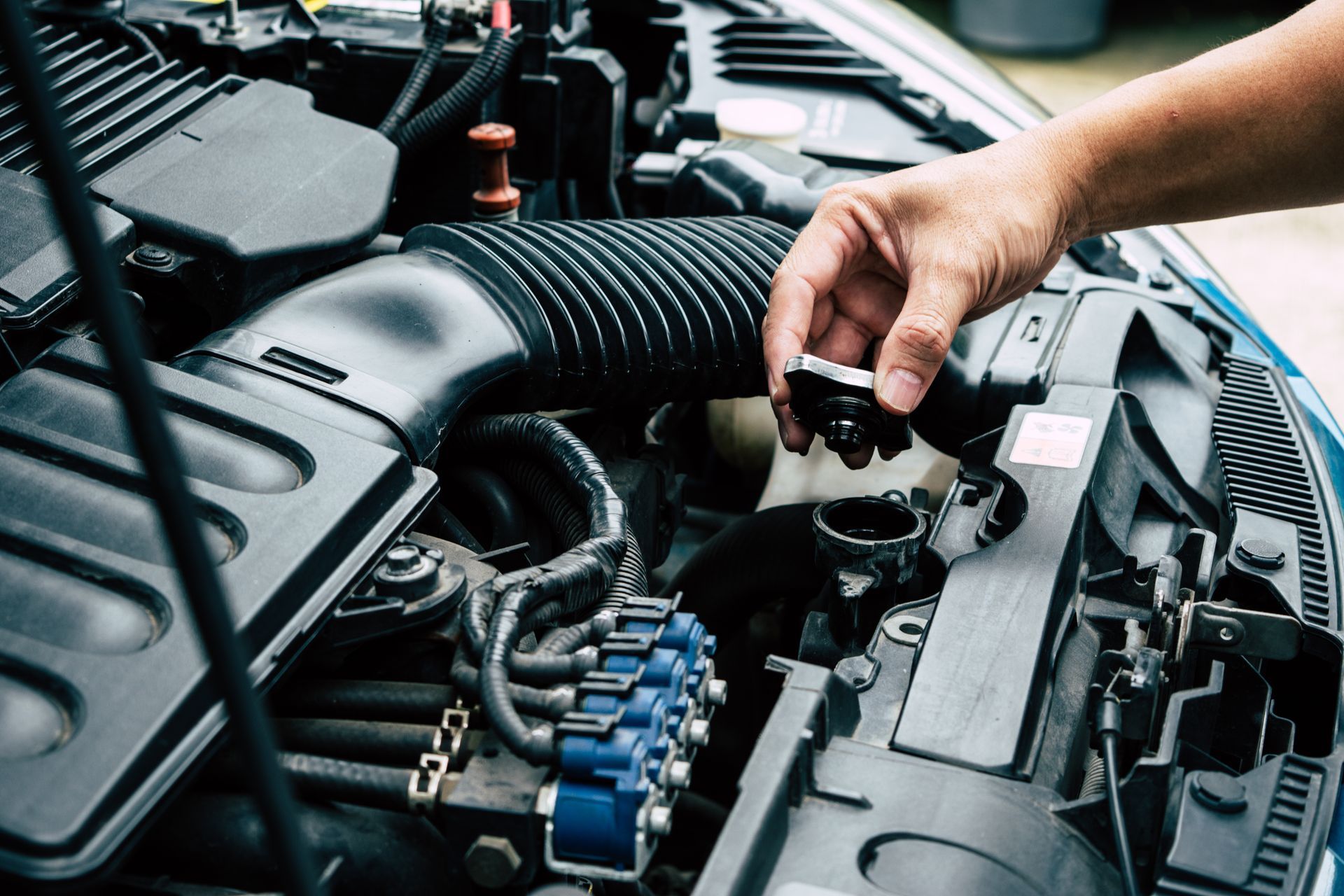
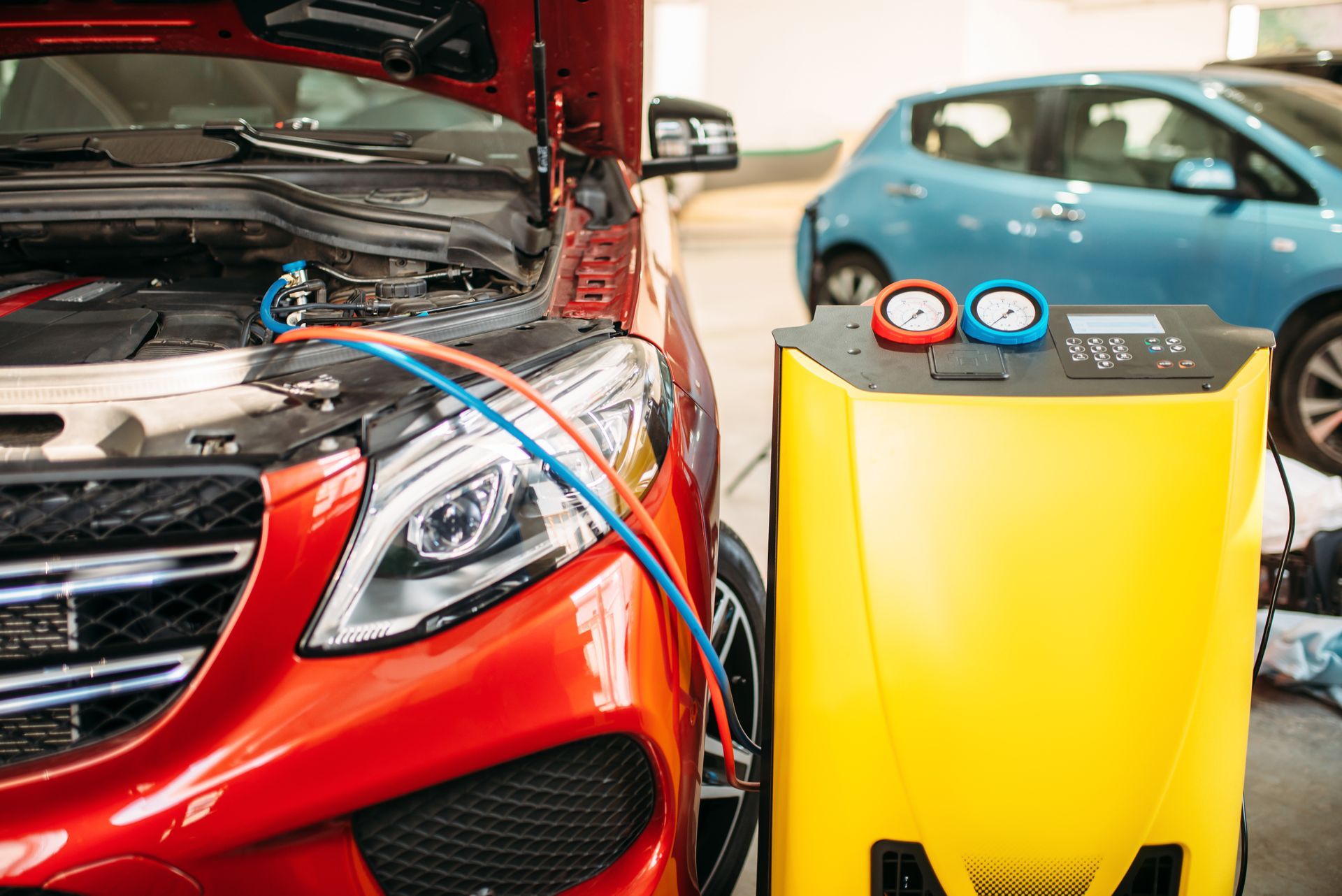
A plastic bumper cover might hide a bent reinforcement bar, broken mounting tabs, damaged wiring, or a crushed absorber. Behind a front-end impact, there may also be damage around the radiator support, cooling system, A/C condenser, or driver-assistance sensors.
Finding more damage at this stage doesn’t necessarily mean the first inspection missed something. Some parts simply can’t be evaluated properly until the damaged pieces covering them are removed.
Structural Measurements Come Before Cosmetic Work
If the impact reached the vehicle’s structure, measurements need to confirm whether key mounting points are still where they belong. Modern vehicles are built to precise dimensions so the suspension, body panels, doors, and safety systems line up correctly.
Structural repair may involve straightening certain areas or replacing damaged sections according to the vehicle’s repair requirements. This part of auto body repair has to come before making the exterior look good. A freshly painted fender won’t solve a wheel that sits in the wrong position or a door opening that has shifted.
After structural work, check measurements again rather than assuming everything returned to position.
Mechanical and Safety Systems Need Attention Too
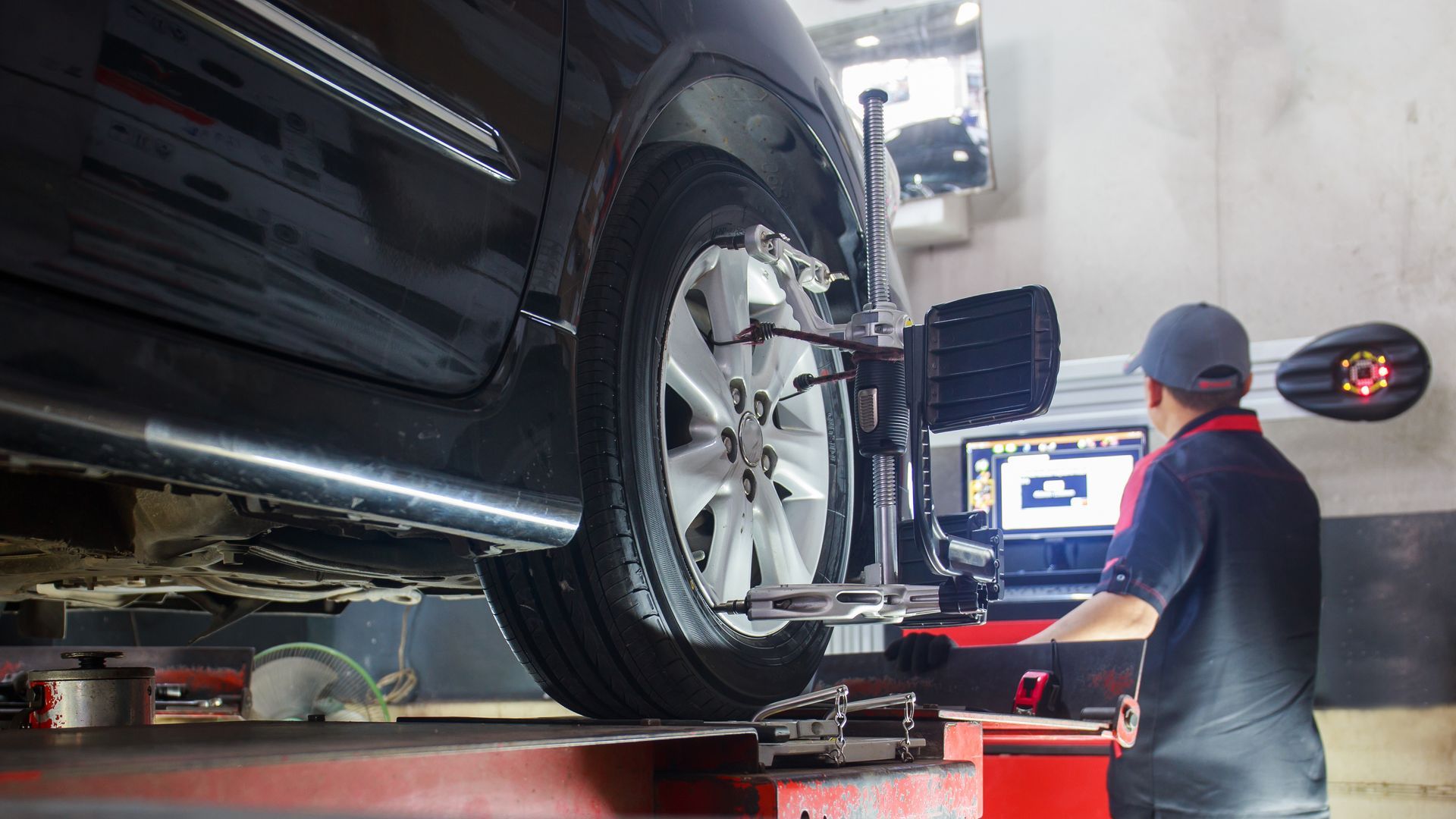
A collision can affect more than sheet metal. Depending on where the vehicle was hit, the repair may involve steering, suspension, cooling components, air conditioning parts, seat belt systems, airbags, wiring, or wheel alignment.
Late-model vehicles add another layer. Radar units, parking sensors, cameras, and other advanced driver-assistance components may be mounted directly behind the bumper or windshield. A sensor can survive the impact electrically but still be pointed slightly out of position.
At our shop, a car that drives straight isn’t automatically considered finished. Warning lights, scan data, sensor operation, alignment, and any mechanical concerns related to the collision must be addressed as part of the repair.
Body Repair, Paint Matching, and Reassembly
Once the underlying damage is corrected, the body work becomes more visible. Repairable panels may be straightened and refinished, while badly damaged parts are replaced. New panels sometimes need adjustments before they fit correctly because small differences in mounting position can affect several surrounding gaps.
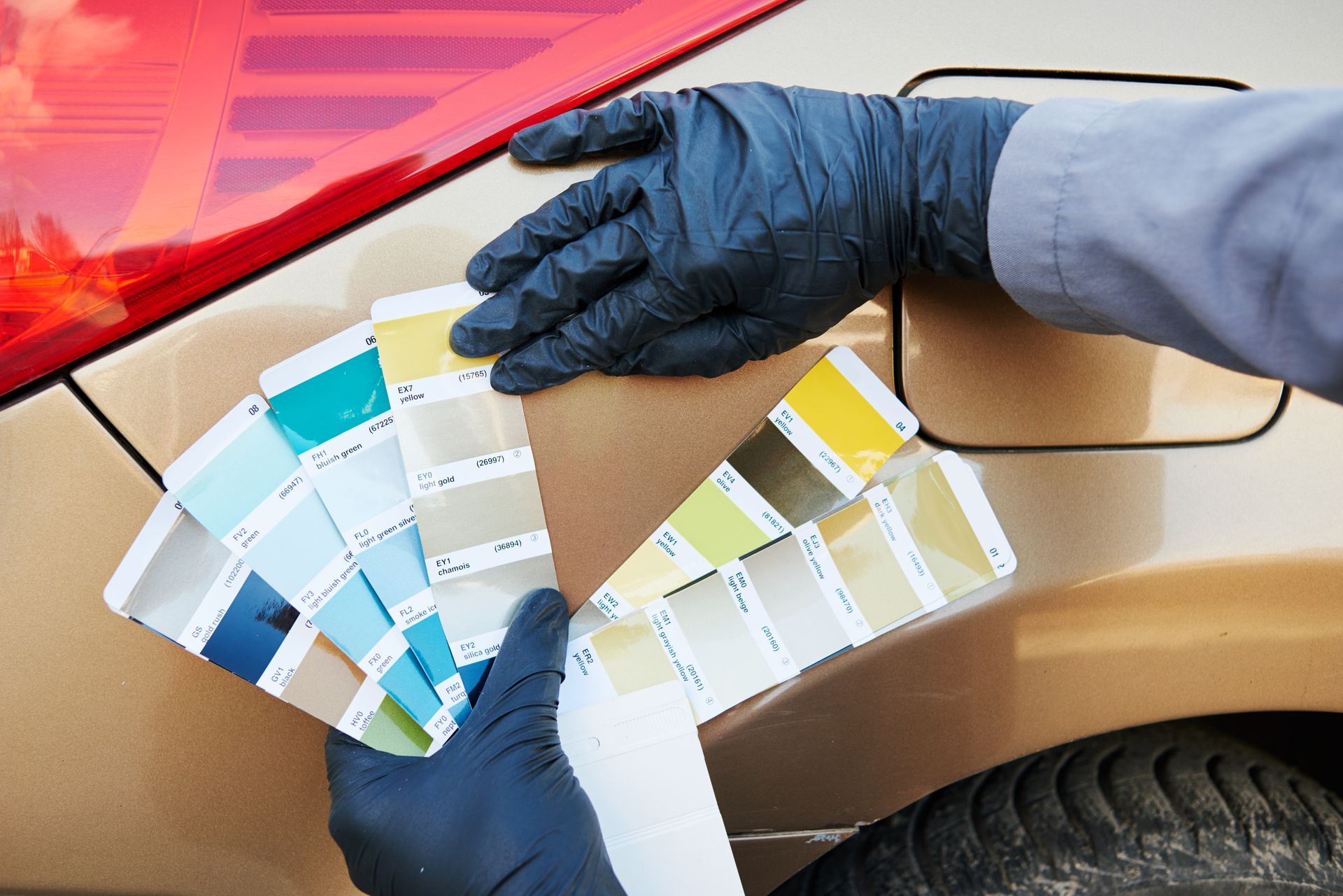
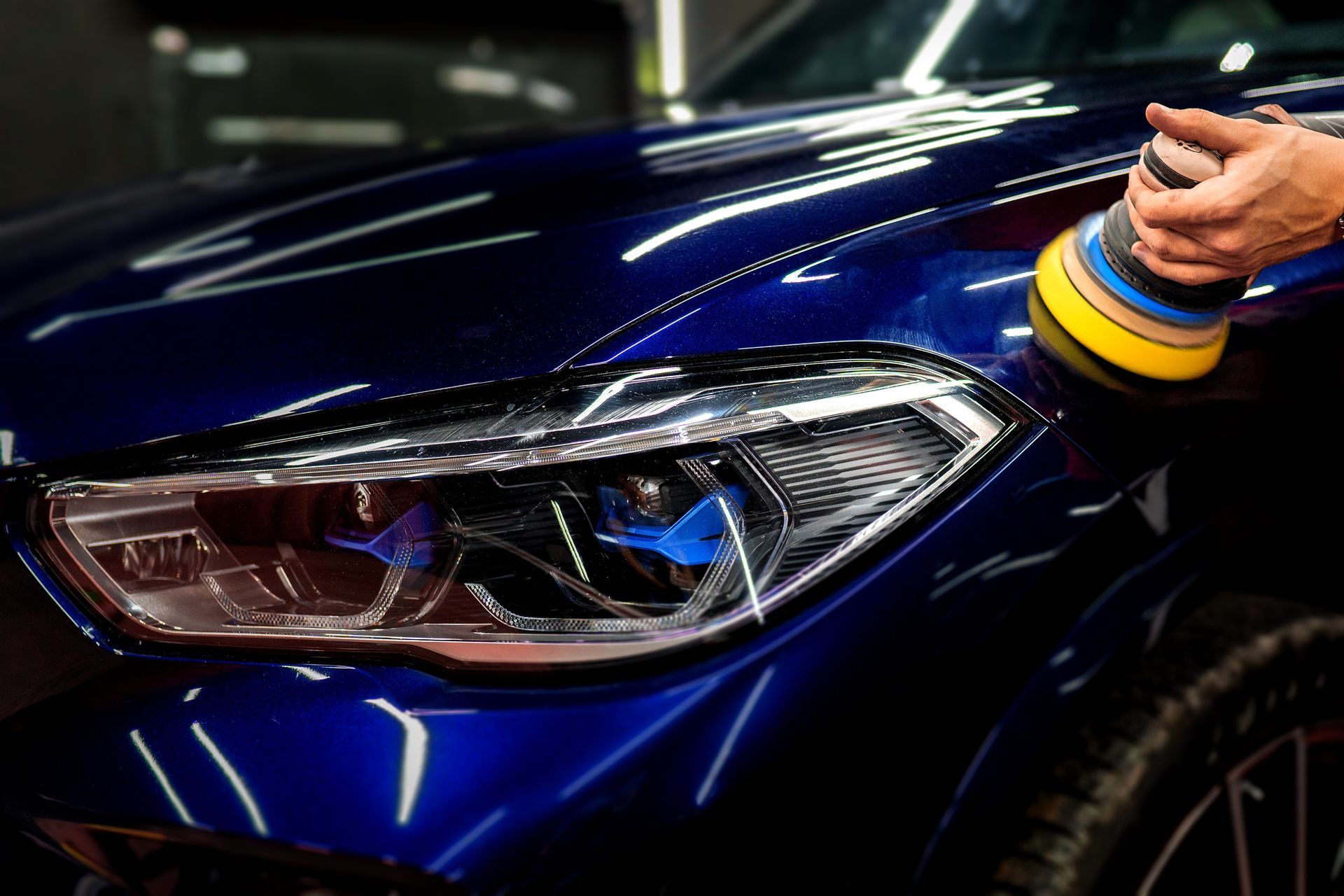
Paint work involves more than finding the color code. Age, sun exposure, previous refinishing, and variations in factory paint can change how the color looks on the actual vehicle. Technicians may spray test samples or blend color into an adjacent panel so the repair doesn’t stand out in normal lighting.
After the paint cures, technicians reinstall trim, lamps, moldings, sensors, liners, and other removed components. Clips and small brackets matter here. One loose liner or missing fastener can create a rattle or rubbing noise after the vehicle is back on the road.
Calibration and Alignment May Be Part of the Repair
If the collision affected a wheel, suspension component, steering angle, camera, or radar mounting point, the vehicle may need additional setup before it leaves.
A wheel alignment verifies that the tires are pointed and positioned correctly after the repair. Driver-assistance systems may require static or road-based calibration so features such as lane assistance, adaptive cruise control, or automatic emergency braking receive accurate information.
You don’t need calibration after every collision. The requirement depends on the vehicle, its equipment, where the damage occurred, and which parts were replaced or disturbed.
The Final Check Should Catch More Than Cosmetic Flaws
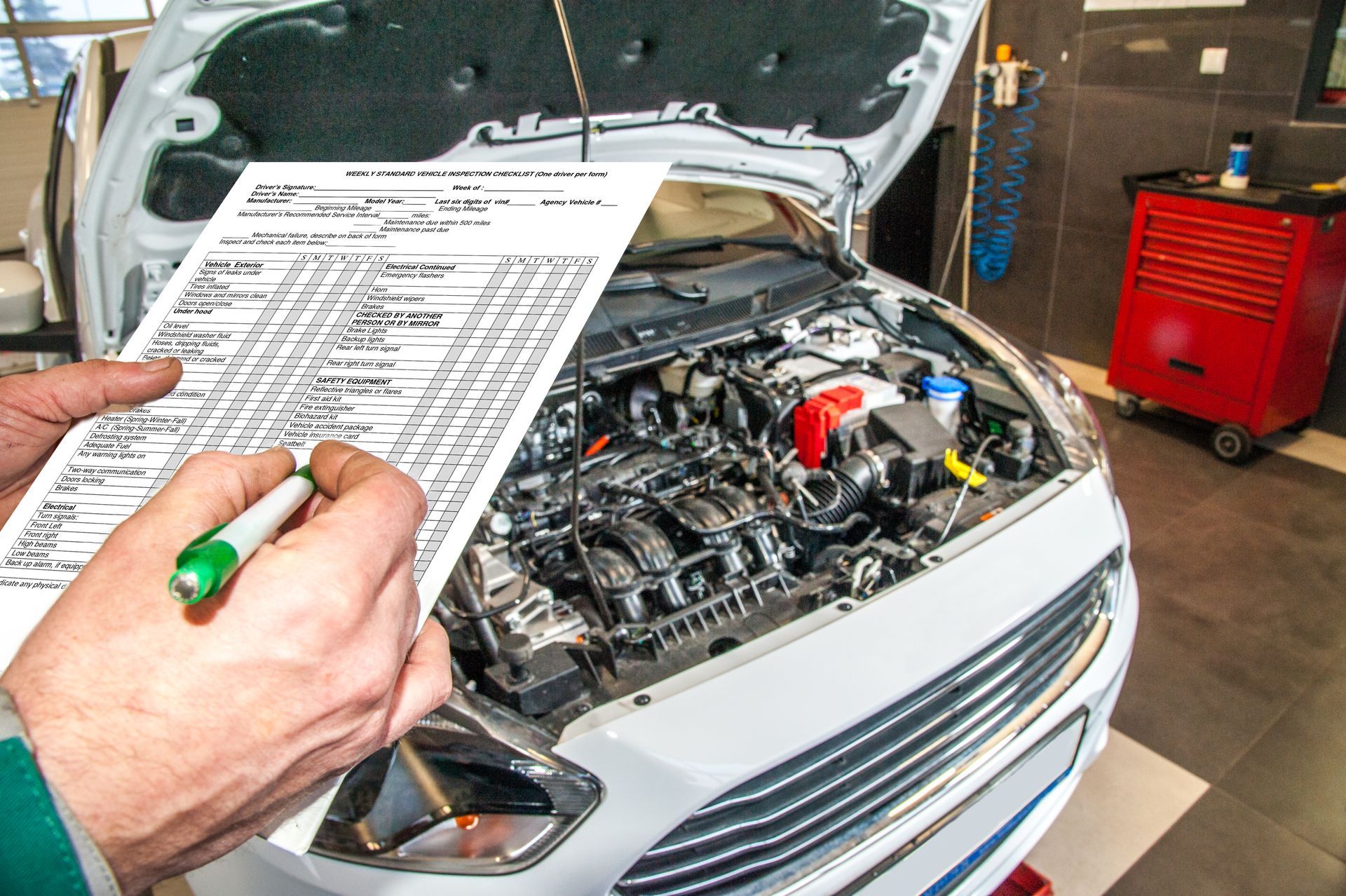
Before delivery, check the repaired area for fit, operation, finish quality, and anything that changed during the collision or repair process. Lights should work, warning indicators should be addressed, doors and panels should operate correctly, and the vehicle may need a road test.
We also listen for things the customer might notice right away, such as new wind noise, vibration, a rattle, steering pull, or a trim piece that isn’t secure. The goal isn’t simply to make the damaged area look better. The vehicle should leave with the repaired systems functioning as intended.
Get Collision Repair In Fort Myers, FL, With Gulf Coast Auto Repair
If your vehicle has been in an accident, Gulf Coast Auto Repair can evaluate visible damage, check for underlying issues, and explain the collision repair process before work begins.