When your car starts using more gas than it used to, the change usually shows up before any warning light does. You stop at the pump sooner, your normal commute starts costing more, and the numbers on the dashboard no longer match what you were getting a few weeks ago. The car may still feel pretty normal, which is why this problem gets ignored longer than it should.
A drop in fuel economy usually points to an engine or drivability issue that is already developing.
Why Fuel Mileage Drops Even When The Car Still Feels Fine
Modern engines are built to adjust constantly. They react to temperature, airflow, throttle input, fuel quality, and load every second you drive. That flexibility helps the car stay smooth, though it will hide a lot of early problems by making corrections in the background.
That is why poor fuel economy is such a useful early clue. The engine is working harder, burning more fuel, or losing efficiency somewhere in the system. You may not feel a misfire or a rough idle yet, though the gas tank is already telling you something has changed.
Dirty Airflow And Fuel Control Problems Waste Fuel
One of the most common reasons for a sudden mileage drop is inaccurate airflow or fuel control. A dirty mass airflow sensor, restricted air filter, sticking fuel injector, or aging oxygen sensor will throw off the engine’s calculations. Once that happens, the engine starts using more fuel than it needs in order to keep performance stable.
This usually happens gradually, which is why drivers blame traffic, weather, or driving habits first. In reality, the engine computer is compensating for bad data or weak fuel control. It keeps the vehicle running, though less efficiently, and at the cost of burning more gas.
What Usually Causes The Drop
A few issues show up again and again when drivers complain that fuel mileage has fallen off.
- Low tire pressure increasing rolling resistance
- A dirty air filter restricting airflow
- Worn spark plugs causing incomplete combustion
- An oxygen sensor sending inaccurate readings
- Dragging brakes adding load to the vehicle
- A thermostat stuck open keeping the engine too cool
None of those problems is rare. They all force the engine or drivetrain to work harder than it should, and that extra effort shows up quickly at the pump.
Spark Plugs And Ignition Wear Have A Big Effect
Spark plugs do more than help the engine start. They play a direct role in how efficiently fuel is burned every time the cylinders fire. Once plugs wear down or ignition coils weaken, combustion becomes less complete, and the engine starts wasting fuel.
The drop is not always dramatic at first. You may notice slower acceleration, a less responsive feel, or a slight shake at idle later on, though the fuel economy usually slips before those symptoms get strong. During regular maintenance, worn ignition parts are much easier to catch before they start hurting mileage and performance together.
Rolling Resistance And Brake Drag Add Hidden Load
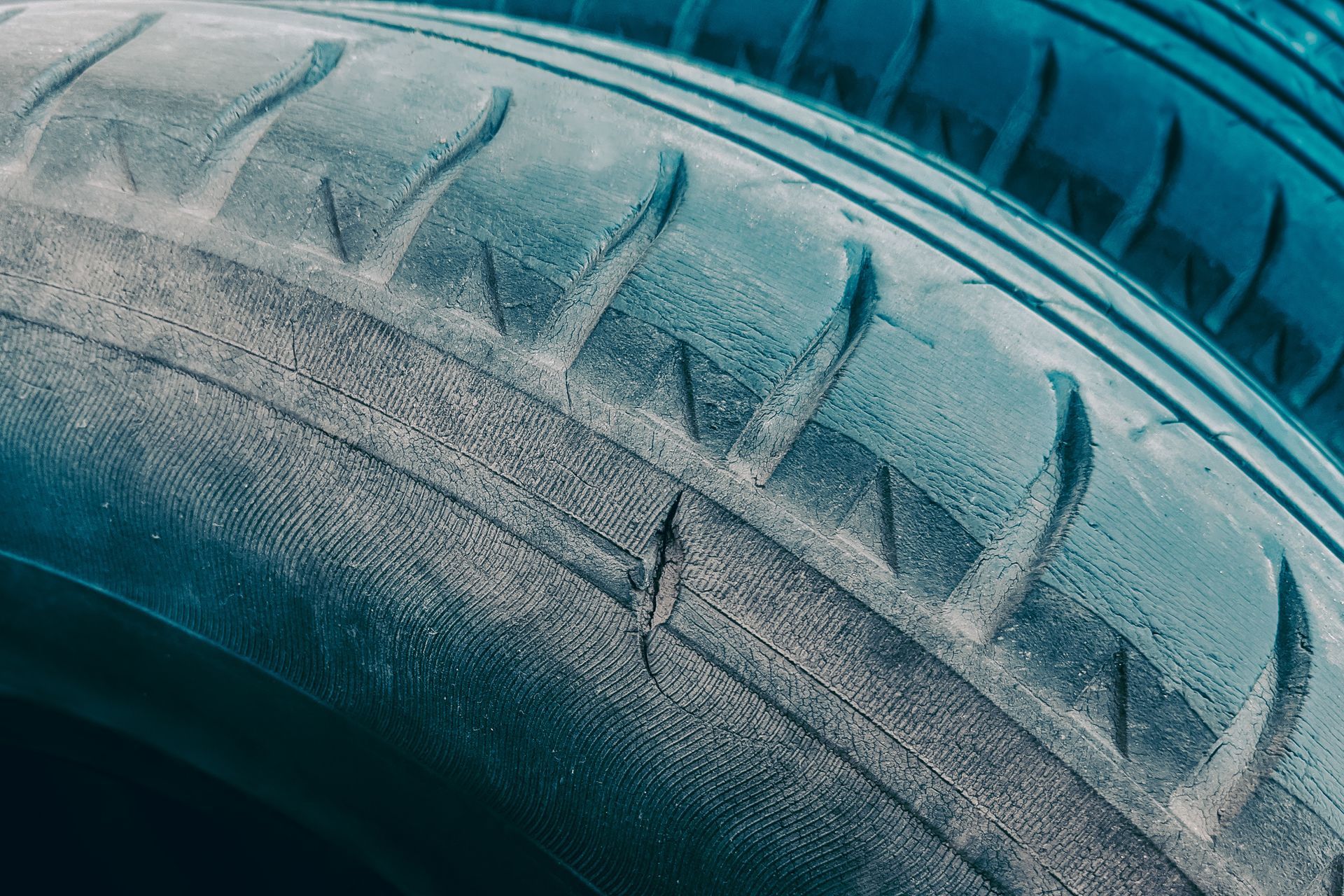
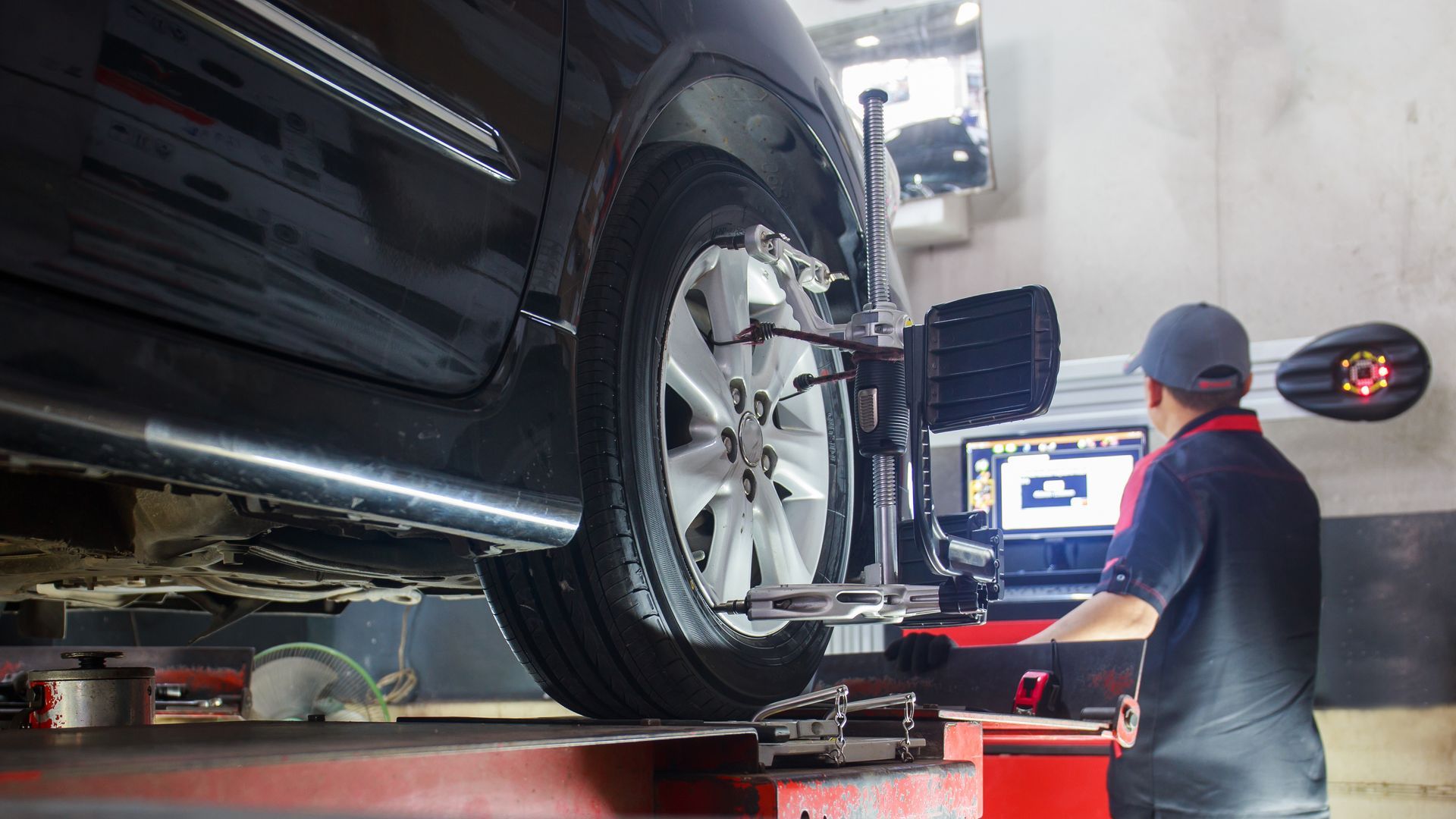
Fuel economy is not just about the engine. The vehicle’s rolling resistance plays a huge role, too. Underinflated tires, uneven alignment, and dragging brake components force the car to push harder against the road, which means the engine has to burn more fuel just to keep moving at the same speed.
Brake drag is a good example. A sticking caliper or parking brake issue may not feel obvious from the driver’s seat at first, though it creates constant resistance. That extra load will shorten fuel range fast, and it usually brings extra heat and brake wear with it.
Short Trips And Cold Running Hurt Efficiency
Some mileage complaints come from the way the engine is operating rather than a failed part. An engine that never reaches full operating temperature will stay in a richer fuel strategy longer than it should. That means it burns extra fuel during warm-up and never settles into its most efficient pattern.
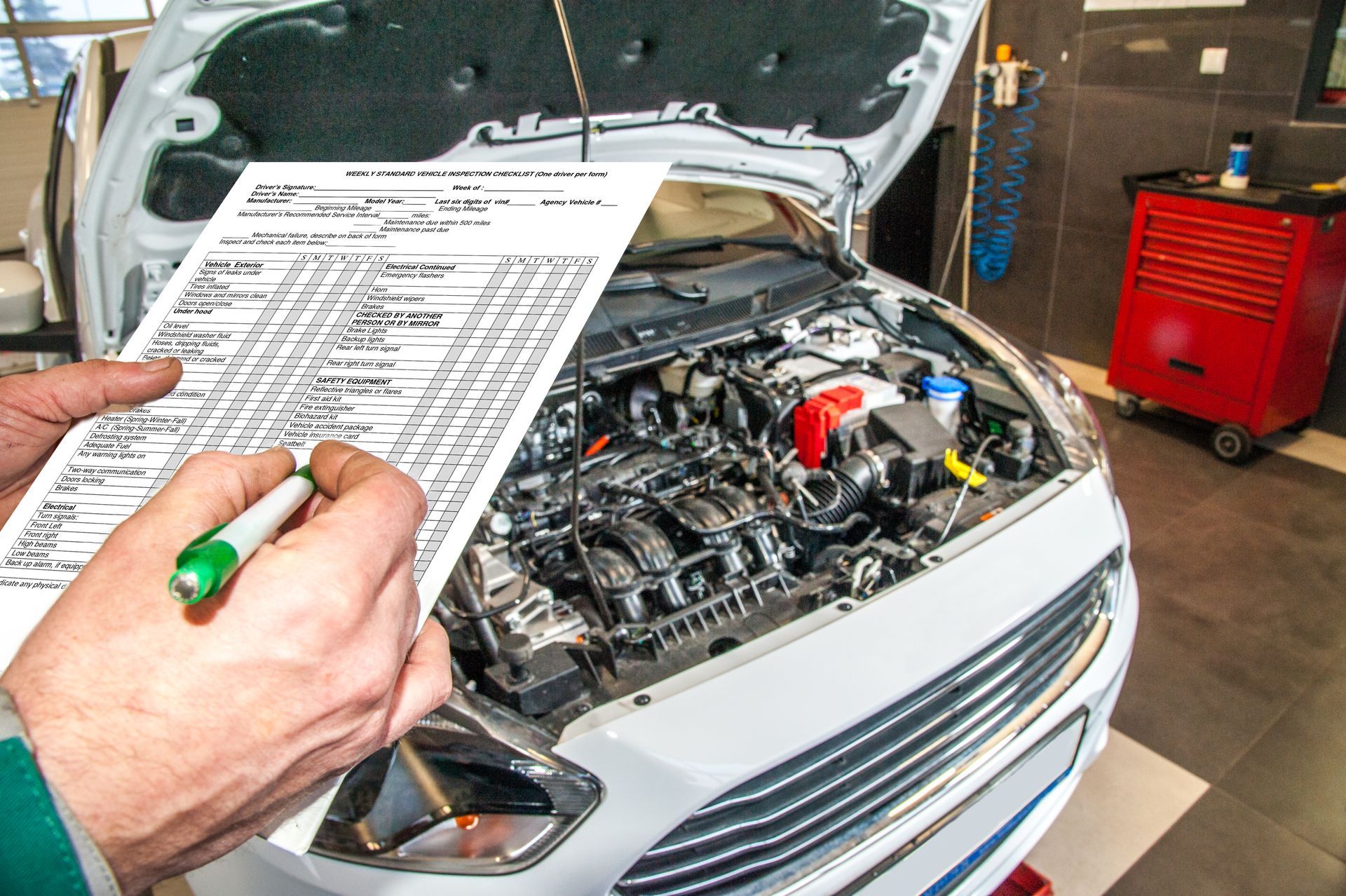
A thermostat stuck open will create that exact problem. So will repeated short trips where the engine barely warms up before being shut off again. This is one reason fuel mileage tends to drop when daily driving habits change, even when the vehicle itself still seems healthy. An inspection will usually show whether the problem is usage-related, mechanical, or both.
When The Fix Is Simpler Than Drivers Expect
Not every mileage drop points to a major repair. Plenty of fuel economy problems come from basic wear items and small performance issues that have built up together. A dirty filter, overdue spark plugs, old sensors, low tire pressure, and minor brake drag will chip away at efficiency one layer at a time.
That is why it helps to look at the full picture instead of chasing one dramatic cause. We have seen vehicles improve their fuel economy by a surprising amount when a few smaller issues were corrected during the same visit. The key is finding out where the extra fuel is being lost instead of guessing.
Why Waiting Usually Costs More
Burning through more gas is expensive on its own, though the real cost shows up in the wear behind it. An engine running rich will leave more deposits behind. Dragging brakes will wear out faster. Weak ignition parts will keep getting worse. What starts as a mileage complaint usually grows into a performance or repair issue when it sits too long.
That is why fuel-economy changes deserve early attention. They give you a chance to correct the problem before it spreads into rough running, converter damage, brake wear, or a larger drivability complaint.
Get a Proper Engine Maintenance In Fort Myers, FL, With Gulf Coast Auto Repair
If your car is using more gas than usual, Gulf Coast Auto Repair can pinpoint what is dragging down efficiency and help restore the mileage you should be getting.
Bring it in for a closer look before that drop at the pump turns into a bigger repair.