New Year’s Eve feels like a celebration everywhere you look, but it is also one of the most chaotic nights of the year on the road. You get a mix of heavy traffic, late-night driving, distracted partygoers, and people who made poor choices about drinking before getting behind the wheel.
A little planning ahead makes a big difference in whether you end the night safely at home or dealing with a close call.
Why New Year’s Eve Demands Extra Caution
Traffic patterns look very different on New Year’s Eve compared with a normal weekend. You have more people on the road late at night, more drivers unfamiliar with the area, and a higher chance that someone around you is impaired or overly tired. Speeds may swing from fast highway cruising to sudden slowdowns near popular venues, bars, or event centers.
You might also notice more pedestrians crossing mid-block, rideshare vehicles stopping unexpectedly, and drivers staring at their phones to coordinate plans. Treat this night a bit like driving in heavy rain or fog: assume visibility and reaction times are worse than usual, and give yourself extra margin for mistakes, including the ones other people might make.
Plan Your Night Before You Start the Car
The safest New Year’s Eve usually starts with a simple plan instead of improvising as the night goes on. Decide ahead of time who is driving, where you are going, and when you expect to head back. If anyone in your group plans to drink, build in a sober driver, rideshare, taxi, or walking route so nobody is tempted to “wing it” at the end of the night.
Check your route in advance so you know about construction zones, areas that tend to clog up around midnight, and any road closures for events or fireworks. Giving yourself extra time helps you avoid rushing, which is when people run yellow lights, follow too closely, or make last-second lane changes to avoid missing an exit.
Smart Choices Around Alcohol, Fatigue, and Medications
Alcohol is the obvious risk on New Year’s Eve, but it is not the only one. Drivers who are extremely tired or taking certain medications can be just as unsafe as someone who has been drinking. Late-night celebrations mean you may be out at hours when your body is usually winding down, so reaction times and focus are already slower.
Make a clear rule for yourself before you leave: if you are the driver, you are not drinking. If you take medications that cause drowsiness, consider whether you should be driving late at night at all. We have seen too many situations where a driver felt “okay” at the start of the evening and only realized how tired they were once they were already on the road home.
Night Driving and Visibility
Most New Year’s Eve trips happen after dark, which brings its own set of challenges. Glare from oncoming headlights, reflections on wet pavement, and extra lights from signs and decorations can all strain your eyes. Dirty windshields inside and out make that glare much worse, especially when you are already tired.
Take a few minutes earlier in the day to clean the glass, check that all lights are working, and adjust mirrors to cut down on glare. Use your headlights any time visibility is poor, even in town with streetlights. Avoid staring directly at oncoming high beams; instead, shift your focus slightly to the right edge of your lane while still watching traffic. If you wear glasses, make sure they are clean and, if needed, have an anti-reflective coating that helps at night.
Handling Congested Roads, Checkpoints, and Unpredictable Drivers
On a holiday night, you are likely to see more police presence, checkpoints, and sudden lane closures around busy areas. When you approach a slowdown, keep your following distance generous and watch traffic several cars ahead instead of fixating on the bumper right in front of you. That helps you react smoothly instead of braking hard at the last second.
Expect the unexpected from other drivers. Some will brake late for red lights, drift in their lane, or make sudden turns after realizing they are about to miss a driveway. Rather than trying to “teach them a lesson” with your horn or high beams, give them space and let them move away from you. Staying calm and predictable behind the wheel is one of the best safety tools you have.
What to Keep in Your Car for New Year’s Eve Trips
A few simple items in the car can turn a stressful situation into something manageable if you are delayed or stuck for a while:
- A fully charged phone and a backup charging cable
- Bottled water and a small snack, especially if you are driving later than usual
- A flashlight, reflective triangle, or safety vest in case you need to stop on the shoulder
- A light jacket or blanket if temperatures drop overnight
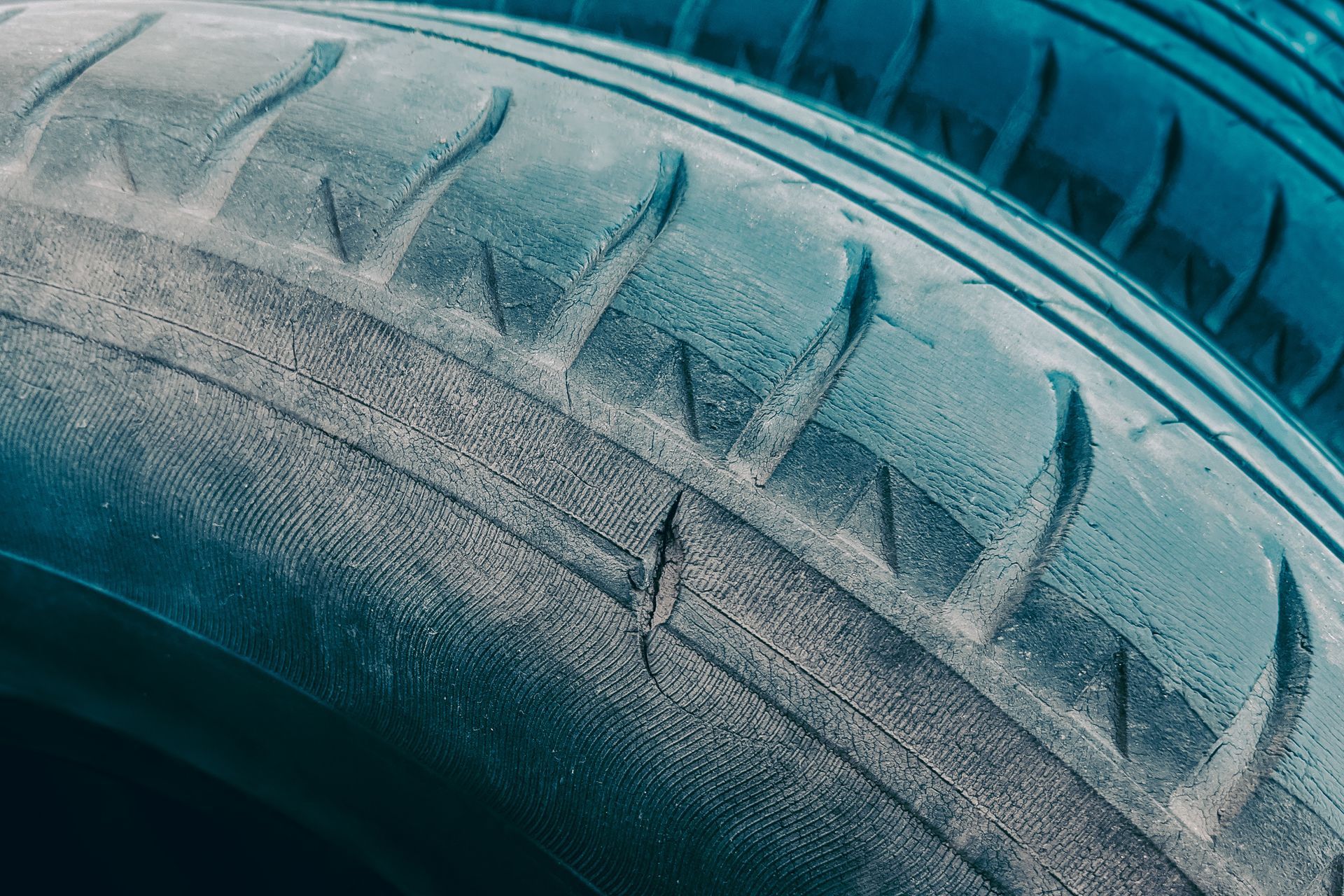
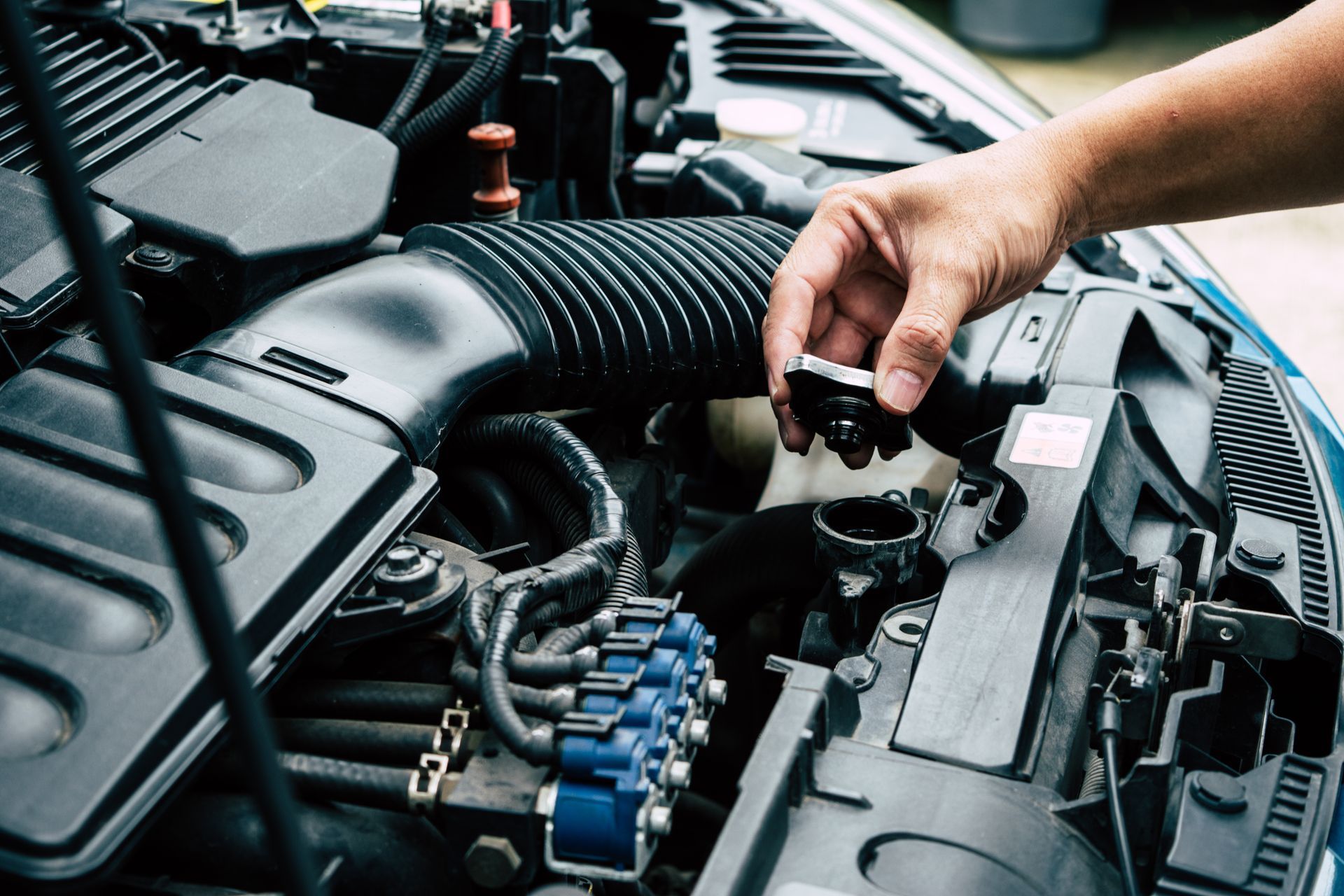
We often suggest doing a quick walk-around before any holiday trip: check tire pressure, fuel level, and that you have washer fluid in case the weather or road spray reduces visibility. It takes only a few minutes and can prevent a lot of frustration later.
Get New Year’s Eve Driving Safety Checks in Fort Myers, FL with Gulf Coast Auto Repair
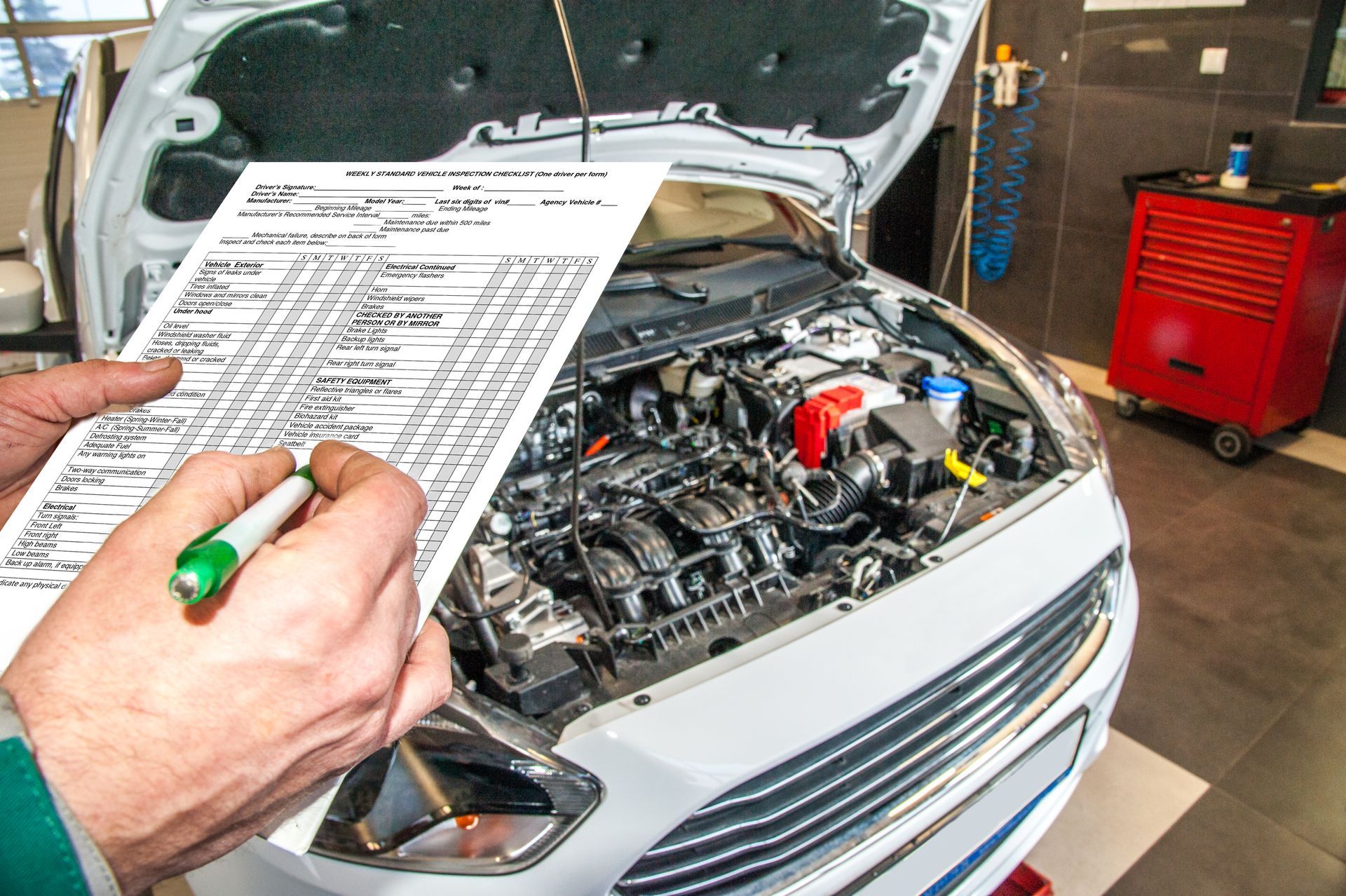
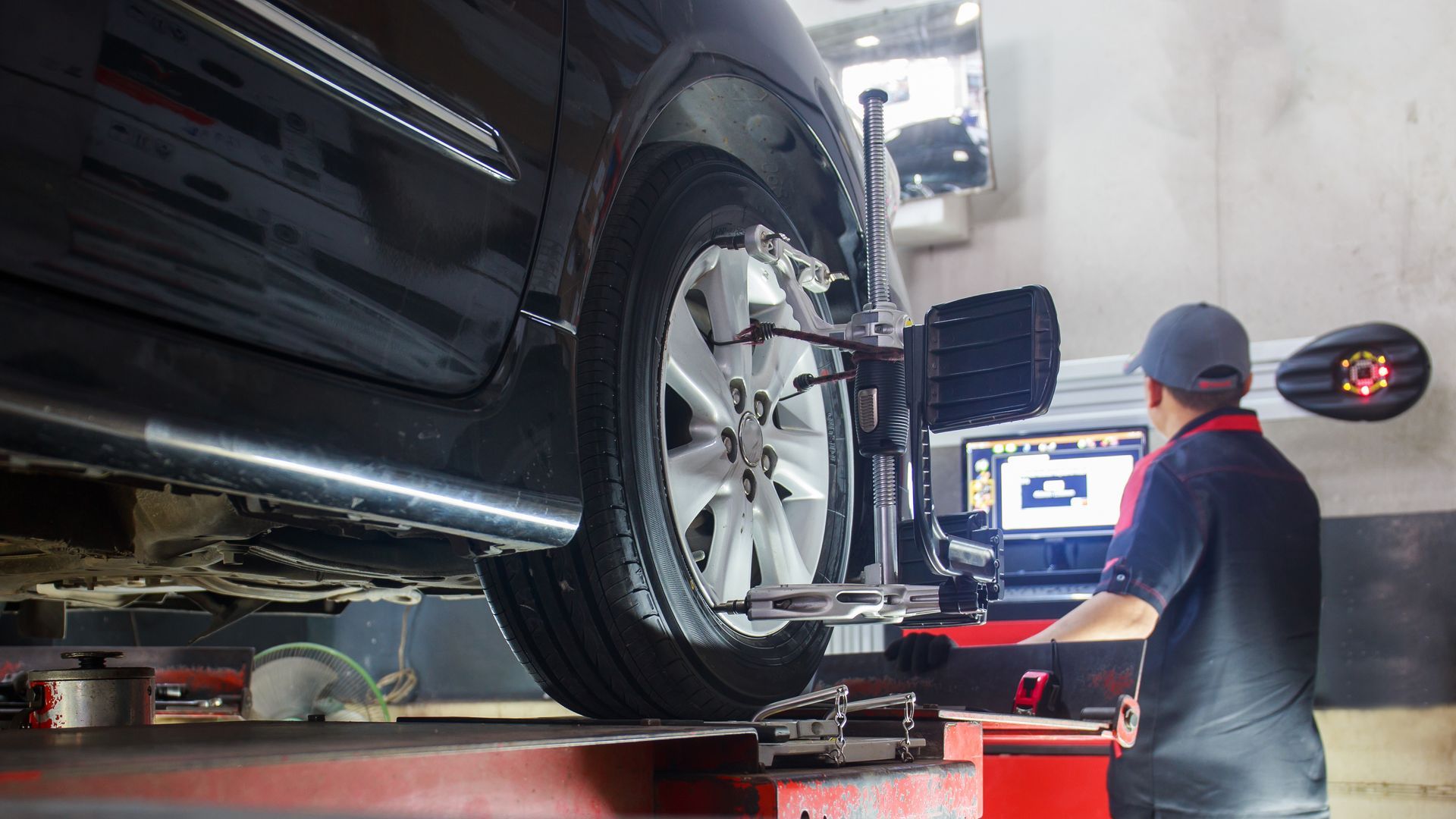
If you want extra peace of mind before New Year’s Eve, a quick safety check can help. We can look over your brakes, tires, lights, battery, and wiper system so your vehicle is ready for late-night traffic and changing conditions.
Schedule a New Year’s Eve driving safety check with
Gulf Coast Auto Repair in Fort Myers, FL, and we will help you head into the new year with a safer, more confident drive.