Most people think of detailing as a cosmetic thing. Make it shiny, vacuum the crumbs, and call it a day. But if you plan to keep your vehicle for a while, or sell it someday, detailing is closer to protection than decoration.
The real value shows up over months and years. A clean, protected finish resists wear. A cared-for interior ages better. And when it’s time to trade in or sell, your car looks like it was owned by someone who stayed on top of things.
Why Detailing Is More Than Just Looks
Detailing is a reset for the surfaces that take daily abuse. Sun, grime, pollen, road film, and even the oils from your hands build up over time. That buildup can dull paint, stain upholstery, and make plastic and rubber trim look tired.
A proper detail removes the grime you can see and the residue you usually cannot. Then it adds protection that slows down the next round of wear. That’s why a detailed vehicle often feels newer, even if it has plenty of miles on it.
Paint And Clear Coat: What You Are Really Protecting
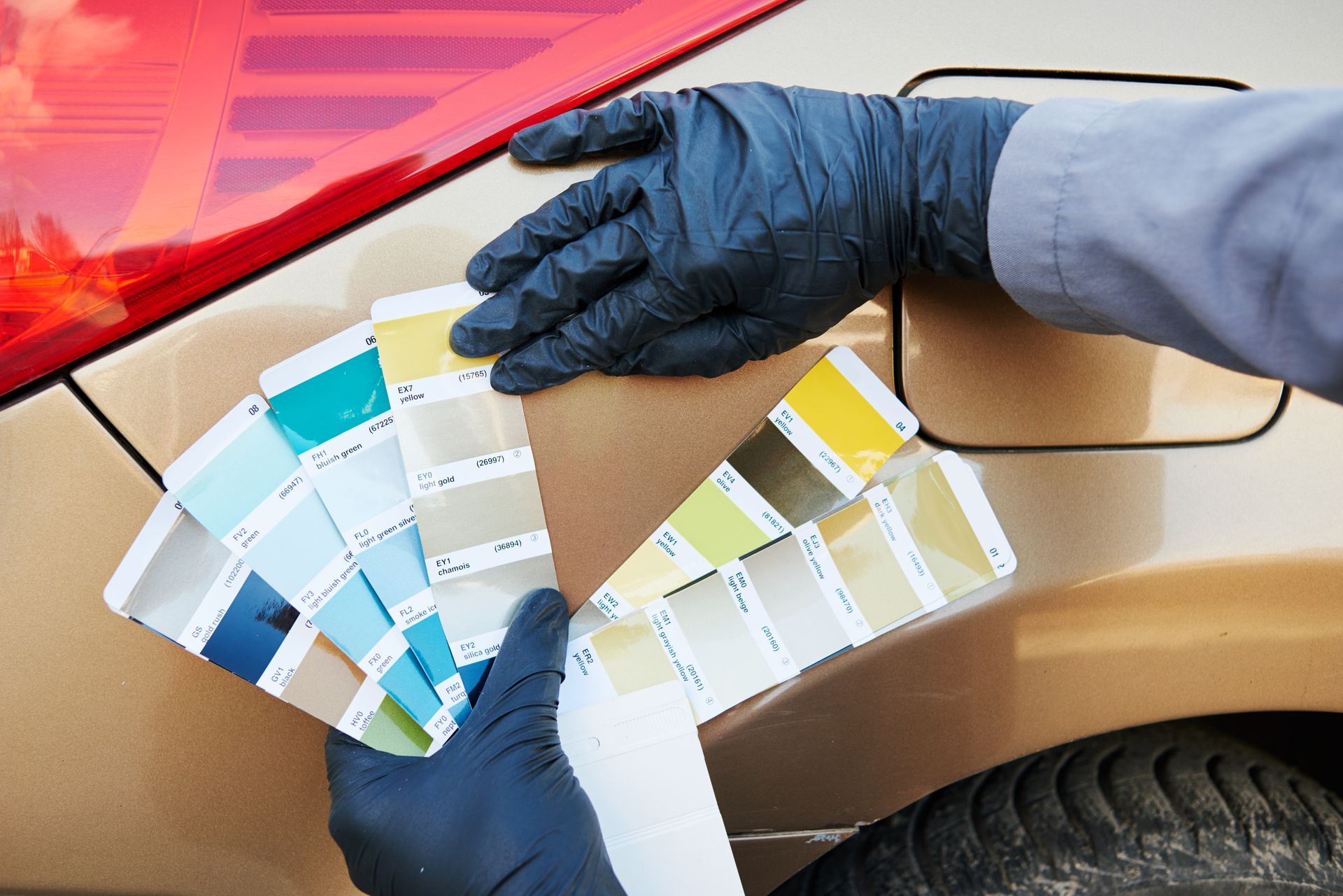
Your paint has a clear coat on top, and that layer does the heavy lifting. It takes UV exposure, bird droppings, sap, bug splatter, and the random grit that gets dragged across the surface during washing. Once the clear coat is neglected, the paint underneath is more exposed, making correction harder.
Detailing helps in two ways. First, it removes contaminants that bond to the surface and slowly damage the finish. Second, it adds a protective layer, like wax, sealant, or ceramic-style protection, that takes the hit instead of your clear coat. That protection does not make the car invincible, but it can noticeably reduce fading, staining, and roughness over time.
Interior Detailing That Prevents Wear And Odors
Interiors usually lose resale value quietly. A small spill that goes uncleaned becomes a permanent stain. Sunscreen and skin oils create shiny patches on steering wheels and armrests. Dust and grit work their way into seat seams and carpets and then act like sandpaper.
Detailing the interior is not just vacuuming. It’s cleaning the surfaces properly, conditioning where appropriate, and removing the stuff that causes long-term wear. Odor is part of this too. Smells soak into fabrics and headliners, and once that happens, the vehicle can feel older than it is, even if the outside looks great.
The Small Areas Buyers Notice First
When someone looks at a used car, they tend to judge the whole vehicle by a few small details. If those areas look neglected, everything else feels questionable. In our shop, we’ve seen trade-in conversations change fast once a vehicle looks clean and cared for, even before anyone talks numbers.
Here are a few spots that quietly affect resale value:
- Headlights that look cloudy or yellow, which can make the whole front end look older
- Door jambs and trunk edges that collect grime and leave a neglected first impression
- Steering wheel, shifter, and touch points that look shiny, sticky, or worn from buildup
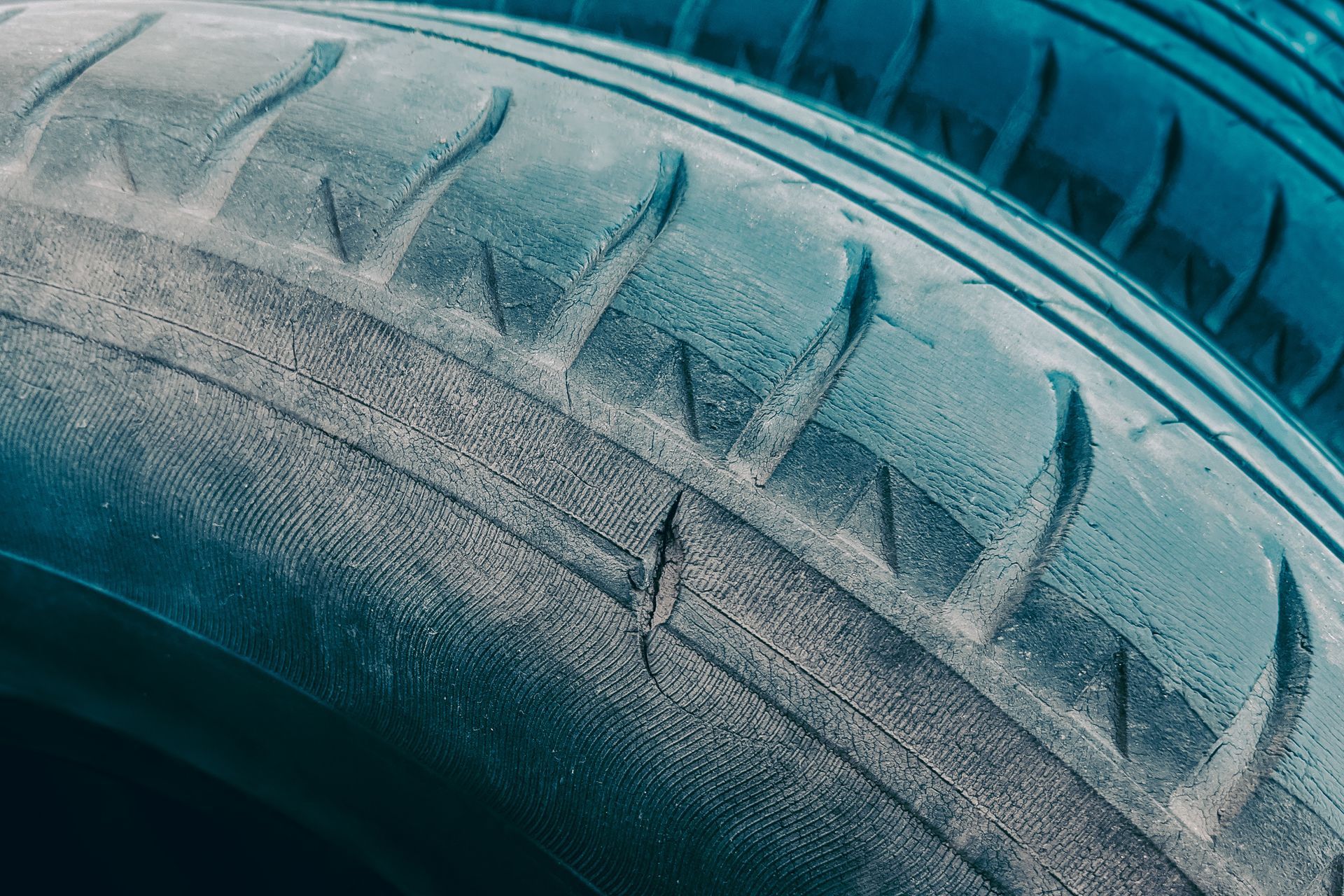
- Wheels and tires that look brown or dusty, even when the paint is clean
- Carpet and floor mats that have embedded sand and stains that do not come out with a quick vacuum
Those are the areas where detailing makes a big visual difference without needing repairs.
Myths About Detailing That Cost You Money
One myth is that dish soap is fine for washing a car. It can strip protective layers and dry out trim. Another myth is that you should always be aggressive with the rubbing compound. Correction has a place, but constant heavy polishing removes the clear coat, and that is not something you can just put back.
A big one is thinking a drive-through wash is harmless because it is quick. Those brushes and harsh chemicals can add tiny scratches over time and dull the finish. If you do use an automatic wash, touchless is usually the safer option, although it still won’t replace a proper hand wash and protection.
How Often Should You Detail For Real Protection
There is no perfect schedule that fits everyone, but the goal is consistency. If your vehicle sits outside most days, sees lots of highway miles, or deals with heavy sun exposure, protection wears off faster. If it’s garaged and driven lightly, protection can last longer.
For many drivers, a thorough detailing a few times a year keeps the paint and interior from aging prematurely. Between those, regular washing and quick interior wipe-downs help maintain the baseline so you are not trying to recover from months of buildup all at once.
Keeping Your Car Looking Fresh Between Details
Detailing lasts longer when the routine between details is gentle. Use quality car wash soap and clean wash tools. Rinse grit off before you touch the paint. Dry the vehicle instead of letting water spots bake on.
Inside, a little prevention goes a long way. Shake out mats, wipe up spills early, and keep lotions and drinks from living in the cupholders until they turn into sticky residue. The goal is simple: keep your next detail from being a rescue mission.
Get Auto Detailing in Fort Myers, FL, with Gulf Coast Auto Repair
We can help protect your car’s paint, interior, and overall condition with detailing that focuses on long-term wear, not just quick shine. We’ll recommend the right level of cleaning and protection based on how you drive and how you plan to keep the vehicle, so you’re not paying for extras you do not need.
Call
Gulf Coast Auto Repair in Fort Myers, FL, to schedule auto detailing and keep your vehicle looking cared for year-round.