A fresh coat of automotive paint can look simple from the outside, but refinishing a repaired panel involves much more than choosing a color from a chart. Factory finishes can contain metallic particles, pearl effects, multiple layers, and subtle color variations that become especially noticeable when new paint sits beside an older panel.
Time also changes how a vehicle’s finish looks. Years of Florida sun, heat, washing, polishing, environmental exposure, and previous body repairs can all influence the color that is on the car today. That makes paint matching a careful process where equipment, preparation, and the painter’s experience all play a role.
The Factory Paint Code Is Only the Starting Point
Every vehicle leaves the factory with information identifying its original exterior color. Depending on the manufacturer, the paint code may be found on a door-jamb label, identification plate, underhood label, or through vehicle information systems.
Once the code is identified, the refinishing system can provide a formula for mixing that color. The formula tells the painter which toners and effect materials are needed and in what proportions. Modern color systems can also retrieve formulas using vehicle information such as the VIN.
Why the Same Paint Code Can Have Different Variants
Factory paint production is highly controlled, but a color can still develop variations during a model's production run. Different factories, paint batches, application conditions, or production periods can produce slightly different versions of the same official color.
Refinish paint manufacturers therefore maintain color variants for many factory codes. A painter may compare the vehicle against sprayed color chips or a variant deck to determine which formula most closely resembles the finish already on the car. These comparison tools can also help determine whether a formula can be used as mixed or whether additional tinting or blending will be useful.
Florida Sun Can Change How the Existing Finish Looks
A car that has spent years outside in Fort Myers may no longer look exactly the way it did when it left the assembly plant. Ultraviolet exposure, heat, environmental contamination, repeated washing, polishing, and previous refinishing can all influence the appearance of the existing finish.
That is one reason matching only by code can produce an obvious difference. The painter is trying to match the vehicle as it looks today, not simply reproduce the theoretical factory color. The surrounding panels provide an important visual reference when selecting and adjusting the refinishing formula.
Metallic and Pearl Colors Add Another Challenge
Solid colors are not necessarily easy to match, but metallic and pearl finishes introduce another variable: the orientation of the effect particles inside the paint. The same mixed formula can appear somewhat lighter, darker, coarser, or finer depending on how those particles settle during application.
Spray-gun distance, air pressure, overlap, coat thickness, reducer choice, and application technique can influence the final appearance. Axalta's refinishing procedures, for example, call for specific application methods and describe additional effect coats for certain metallic colors to control flake orientation.
How Digital Color-Matching Tools Help
Many modern refinishing systems use electronic color-measuring tools alongside traditional color chips. A spectrophotometer can take readings from the existing vehicle finish and help the refinishing software identify a close formula or variant.
That technology gives the painter useful information, especially when a color has numerous variants. It does not eliminate surface preparation or application skill. The vehicle still needs a suitable area from which to obtain an accurate reading, and the selected formula still has to be evaluated before the repair is finished. PPG and Axalta both offer digital color tools intended to support this color-selection process.
Why Painters Make Spray-Out Cards
For difficult colors, a painter may prepare a spray-out before applying color to the repaired vehicle. A spray-out is a test panel or card painted with the selected formula using the intended refinishing process.
Once it dries, the painter can compare it with the vehicle under suitable lighting. If the color, metallic effect, or viewing-angle appearance is not close enough, the formula or technique can be adjusted before paint goes onto the repair. Axalta's refinishing procedures specifically call for preparing a spray-out panel to verify the color match before proceeding.
Blending Helps Hide Small Color Differences
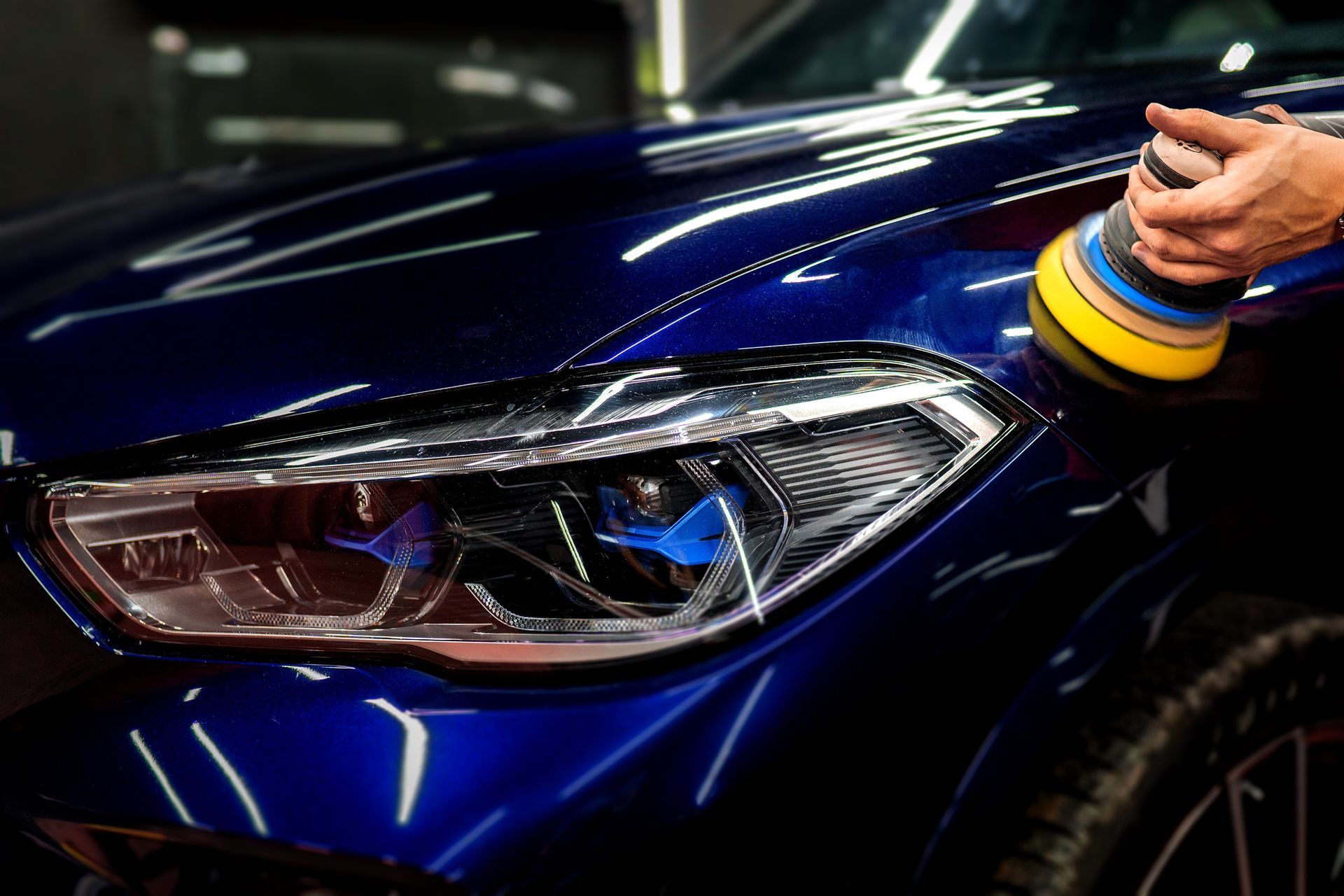
Sometimes the best refinishing result comes from blending color into an adjacent panel rather than ending the new basecoat directly at the edge of the repaired area. The painter gradually reduces the amount of color as it extends away from the repair, creating a transition between the newly painted area and the existing finish.
This technique is especially valuable with metallic, pearl, and colors that have several factory variants. The eye is much more likely to notice a sudden color change between two adjoining panels than a carefully controlled transition across a larger area. Professional paint manufacturers include specific blending processes in their refinishing procedures for this reason.
The Color Has to Be Evaluated From More Than One Angle
A paint match can look excellent from directly in front of the vehicle and appear different when viewed from the side. Metallic and pearl finishes can change noticeably with viewing angle and lighting because their effect particles reflect light differently.
Painters therefore evaluate color from several positions rather than standing in one spot. Bright sunlight, shaded conditions, and appropriate shop lighting can reveal differences in hue, brightness, metallic coarseness, or flop that may be difficult to see under a single light source. Color tools are also designed to help refinishing professionals compare colors under varying viewing and lighting conditions.
Clear Coat Changes the Finished Appearance Too
On a typical two-stage finish, the basecoat provides the color and effect while the clear coat provides gloss and protection. The job is not complete when the basecoat appears close to the surrounding paint.
The complete refinishing process has to be considered because clear coat affects how light travels through and reflects from the finish. Paint-system procedures specify flash times and clear-coat application after the base color has reached the required appearance and coverage.
Previous Body Repairs Can Make Matching More Complicated
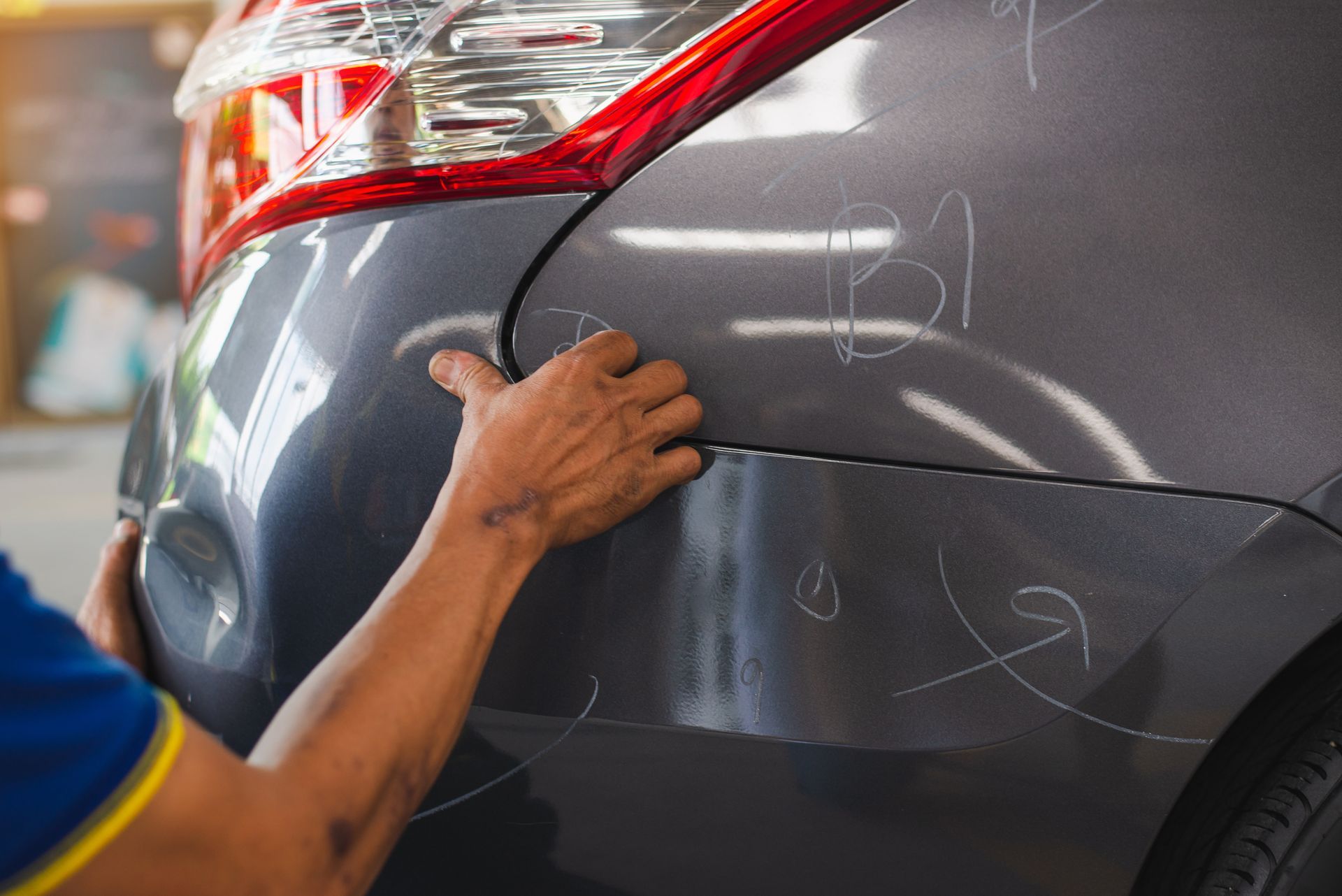
A technician may begin an inspection expecting to match original factory paint and discover that a nearby door, fender, quarter panel, or bumper has already been refinished. That previous repair may itself be slightly different from the original factory color.
In those cases, experience becomes particularly valuable. The painter has to determine which surrounding finish should guide the new repair and how the color transition should be handled. The goal is for the completed repair to fit naturally with the vehicle you see in front of you rather than simply following a formula without comparing it to the car.
Get Auto Body Paint Matching in Fort Myers, FL, With Gulf Coast Auto Repair
Gulf Coast Auto Repair in Fort Myers, FL, can help restore the appearance of damaged vehicle panels with careful color matching and refinishing. Matching modern automotive paint requires the right formula, attention to color variants, proper preparation, and application techniques suited to the specific finish.
If your vehicle needs paintwork after body damage or a panel repair,
contact
Gulf Coast Auto Repair to schedule service in Fort Myers, FL.